
Fuel shock drives up airline costs and cuts earnings outlook
Anabelle Colaco
09 Jun 2026
RIO DE JANEIRO, Brazil: Rising fuel prices linked to conflict in the Middle East are putting pressure on airlines worldwide, forcing carriers to raise fares, cut flights and revise growth plans as industry profit expectations deteriorate.
New U.S. government data showed American airlines spent nearly $6.5 billion on jet fuel in April, a 78% increase from about $3.6 billion a year earlier, despite consuming slightly less fuel.
According to the Bureau of Transportation Statistics, U.S. carriers used 1.573 billion gallons of fuel in April, compared with 1.575 billion gallons during the same month last year.
The increase in costs comes as disruptions linked to the conflict involving Iran have pushed up oil and jet fuel prices. Much of the shipping traffic through the Strait of Hormuz, a key route for global oil supplies, has remained effectively halted since fighting began earlier this year.
The International Air Transport Association (IATA), which represents most of the world's airlines, said Sunday that it now expects the industry to generate a combined net profit of $23 billion in 2026. The forecast is sharply lower than its previous estimate of $41 billion and below the $45 billion earned in 2025.
"Airlines are bearing the brunt of the fuel price shock," said Willie Walsh, IATA's director general. "While airfares are rising, airlines are still absorbing part of the hike in their bottom lines."
IATA expects jet fuel prices to average $152 per barrel in 2026, nearly 70% higher than last year. As a result, the industry's fuel bill is projected to climb to about $350 billion from $252 billion in 2025.
Fuel is expected to account for more than 31% of airline operating expenses this year, up from approximately 25% last year, according to the industry group.
In the United States, the average cost of jet fuel reached $4.11 per gallon in April, compared with $2.31 a year earlier.
To manage higher expenses, airlines have been increasing fares and fees, reducing schedules and trimming services.
American Airlines said last week it would suspend some routes during the summer travel season. Lufthansa Group announced in April that it would cut 20,000 short-haul flights through October, while Air Canada said it would suspend service to New York's John F. Kennedy International Airport from June through late October.
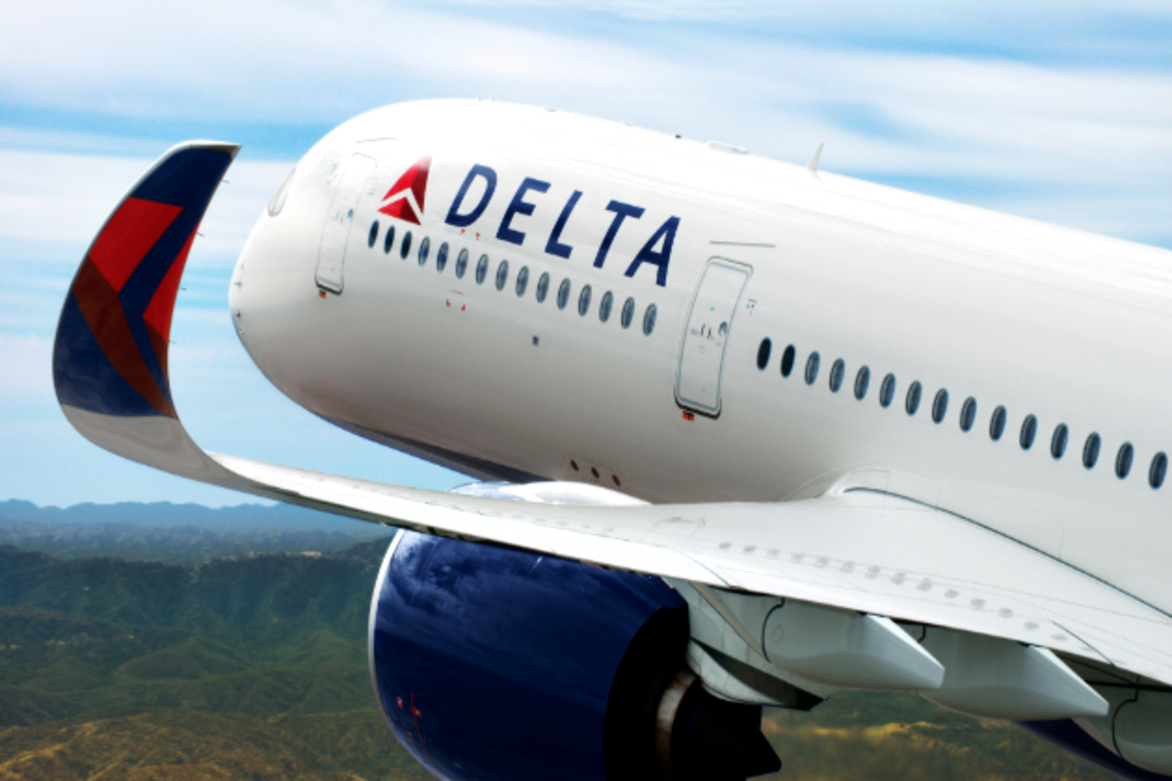
Other carriers, including United Airlines, Delta Air Lines, Air France-KLM, Philippine Airlines and Cathay Pacific, have either reduced flights, adjusted schedules or delayed expansion plans.
The latest figures highlight the growing challenge facing airlines as they try to balance rising operating costs with demand from travelers, while navigating ongoing uncertainty in global energy markets.